

Recap: Introduction to the NIH Health and Extreme Weather Program
Thank you to everyone who joined CAFE’s webinar An Introduction to the NIH Health and Extreme Weather (HEW) Program, featuring leadership from NIH alongside the CAFE Research Coordinating Center.
The webinar provided an overview of NIH’s current priorities for health and extreme weather research, upcoming funding opportunities, and resources available through CAFE to support the research community. For those who were unable to attend or would like a refresher, we have summarized the key updates and opportunities below.
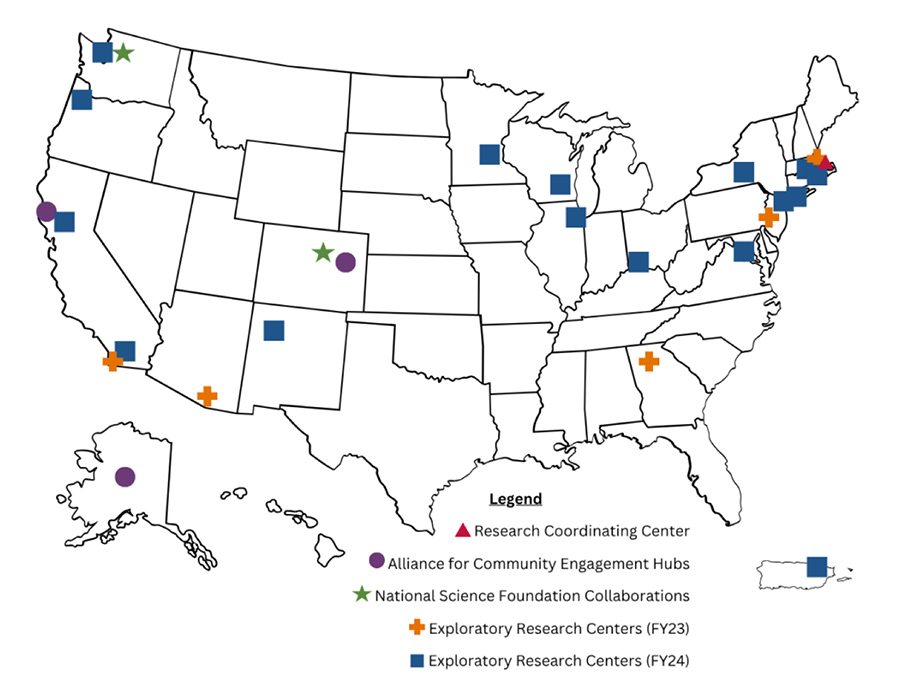
NIH Health and Extreme Weather Program
Health and Extreme Weather is Now a Highlighted Topic
Health and Extreme Weather is now designated as a Highlighted Topic across participating NIH Institutes and Centers.
Rather than waiting for a dedicated funding announcement, investigators are highly encouraged to pursue research through existing NIH funding opportunities that align with the goals of the Health and Extreme Weather Program. These opportunities may include parent R01 grants, fellowships, career development awards, and training and education grants.
One focus of the Health and Extreme Weather Highlighted Topic is training development. The NIH has released three Research Education Program (R25) funding announcements (PA-27-034, PA-27-035, PA-27-036) that support research education and training programs incorporating a health and extreme weather focus.Explore all currently active NIH funding opportunities here.
Future Funding Opportunities are in Development
While there are currently no active HEW-specific funding announcements, NIH shared that two major opportunities are currently under development and listed in the NIH Forecast.
These include:
- Health and Extreme Weather (HEW) Research Coordination and Data Center: Will solicit applications for research coordination and data support for the Health and Extreme Weather (HEW) initiative including two closely aligned components: research coordination and data support. The coordinating component will facilitate engagement across the initiative’s grantees and the larger HEW community of practice. The data component will develop resources and infrastructure to facilitate access to and use of HEW-relevant data resources.
- Health and Extreme Weather Solutions-Focused Research Hubs: Will solicit applications that propose translational research hubs with multiple highly integrated components focused on research, capacity building, and community/public health translation for regionally relevant topics related to the health impacts of extreme weather and cumulative exposures, including but not limited to wildfire smoke, extreme heat, flooding, hurricanes, drought, and other climate-related hazards affecting populations at heightened risk across the lifespan.
Investigators interested in these opportunities should monitor the NIH Forecast for future announcements.
Connect with an NIH Program Officer
A key message from NIH speakers was the importance of engaging with program officers early in the grant development process. Whether you are developing a new research project, training award, or educational initiative, program officers can help investigators determine how well their ideas align with NIH priorities and identify the most appropriate funding mechanisms.
CAFE Research Coordinating Center Updates
The second half of the webinar highlighted new and ongoing resources and opportunities available through the CAFE Research Coordinating Center.
Some of the highlighted resources and opportunities included:
- Half-Day Events: CAFE hosts virtual half-day events featuring expert panels, lightning talks, workshops, and networking opportunities focused on topics in health and extreme weather research.
- Mentorship Program: The next CAFE mentorship cohort will support early-career investigators through grant writing mentorship, guest speakers, and small-group discussions. The call for mentees is open until August 21st.
- Research Matchmaking: CAFE continues to connect researchers with potential collaborators, mentors, datasets, and technical expertise across institutions and disciplines.
- Actionable Solutions Grants Program: CAFE provides seed funding to support activities that strengthen health and extreme weather research, including data collection, training, and community engagement efforts. Deadline September 15th
- Public Narrative Workshop: Participants will learn practical storytelling techniques to communicate their research more effectively to policymakers, communities, and the public. Deadline August 28th.
- Data Resources: CAFE highlighted its growing collection of shared resources, including the Harvard Dataverse repository, GitHub tutorials and code, data management support, and the Educational Resource Hub.
To hear the full discussion and learn more about current and future opportunities, the webinar recording is available here.
Stay connected with CAFE through the newsletter and website for updates on upcoming webinars, conferences, funding opportunities, mentorship programs, and new community resources.


